

Part 1: What Wildlife Journalism Taught Me About My Kids
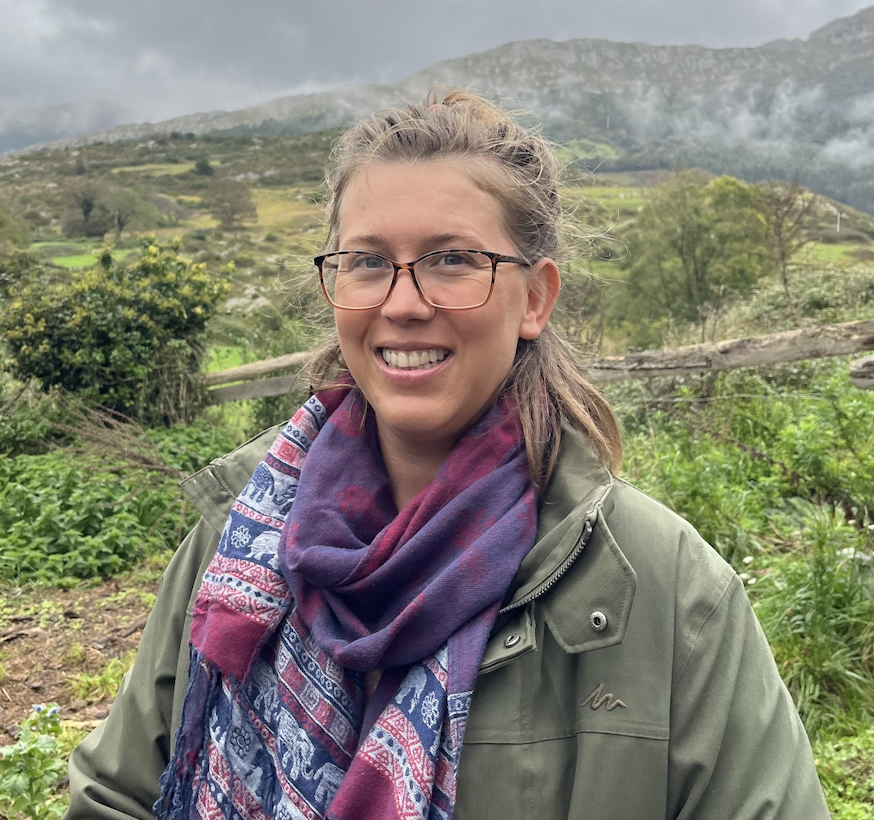
A wildlife journalist turned parent shares 4 observation techniques from the field that transformed how she reads her children's behaviour, before the meltdown hits.

For most of human history, childhood unfolded within natural rhythms of movement, exploration and rest. This article explores how modern environments have disrupted those rhythms and why restoring them can support calmer, more resilient children.
Many parents feel that children today are constantly overstimulated. This article explores how modern childhood environments shape attention, behaviour and emotional regulation, and why restoring calmer rhythms can help children thrive.

I spent a decade as a wildlife journalist documenting how environments shape behaviour — from Peregrine Falcons in Chicago, to otter families in Singapore, the return of wildlife to the Chernobyl Exclusion Zone to the return of wildlife to our finca in Asturias. Then I had children.
And I realised I'd been studying parenting all along.
The same principle that restores ecosystems restores families. You don't force change, you restore the conditions.
That insight became The Wild Shift™.
Wildlife journalist — BBC Wildlife, National Geographic, Geographical
Author of No Paradise with Wolves (Earth Books, 2025)
Founder of The Wild Shift™ and the ROOTS Framework™ — a nature-led parenting methodology for parents of children aged 10 and under.
A weekly note for parents who want to understand their children more deeply — and change the conditions, not the behaviour.
Real stories.
Small shifts that actually work.
Backed by science.
Every week I share one idea, one story or one shift that helps family life feel steadier — rooted in nature, grounded in science, tested in real life.
You can unsubscribe anytime.